
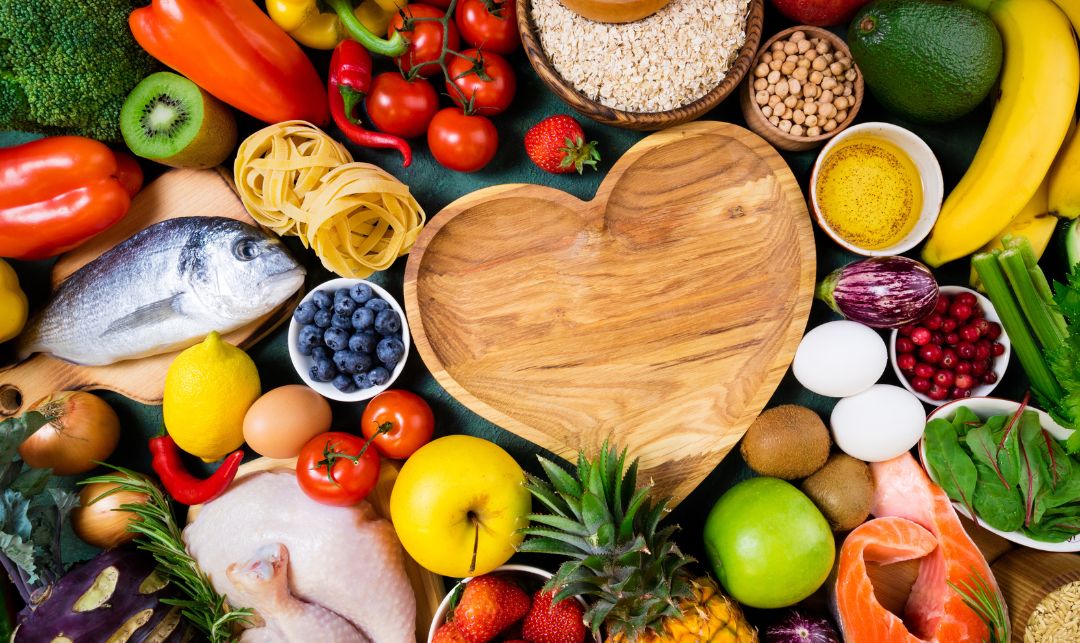
On this episode of the Mind Your Being Podcast, I sat down with Nutritionist and former chef, Emily Gardem, to explore how food can support women’s health through perimenopause and menopause.
Emily’s love of food began early in the Southern Highlands of NSW, experimenting with recipes and natural remedies in her mum’s kitchen. After a career as a professional chef, she was drawn more deeply into the world of nutrition, recognising that food isn’t just delicious—it’s a powerful form of medicine. This passion eventually led her to open her own holistic nutrition practice in 2020.
Food as Medicine
For Emily, “every meal is an opportunity to nourish and support your body” and she encourages clients to see food as fuel, using the analogy of a car: if you want to run like a Maserati, you need to put in premium fuel. It’s not about perfection—it’s about eating foods that energise, support wellbeing, and bring joy.
Nutrition Through Menopause
Midlife brings significant hormonal shifts, and with them, changing nutritional needs. Emily explains that many women notice the diets that worked in their 20s no longer feel supportive. Declining estrogen and progesterone can impact metabolism, energy, mood, and bone health.
Key nutritional strategies include:
Emily also highlights hydration as an often-overlooked factor—something as simple as increasing water, herbal teas, or broths can reduce fatigue, headaches, and irritability.
Individualised, Not One-Size-Fits-All
Emily’s approach is highly personalised. Rather than prescribing quick fixes or fad diets, she looks at each client’s lifestyle, stress levels, and biochemistry. Through programs like Metabolic Balance, she tailors food choices to blood results, often seeing improvements in energy, sleep, and even chronic pain within weeks.
The Shift from Skinny to Strong
A powerful theme in our conversation was moving away from the cultural pressure to be thin. Emily encourages women to focus on strength, vitality, and resilience rather than numbers on the scale. Building and maintaining muscle mass, especially in midlife, supports metabolism, independence, and long-term health.
Final Thoughts
Emily’s message is clear: midlife doesn’t have to mean decline. With the right nutrition and lifestyle changes, women can feel energised, strong, and empowered. As she beautifully puts it, perimenopause and menopause can be “a season of deep nourishment, clarity and renewal.”
Source: Episode #8 of Mind Your Being Podcast – Thriving Through Menopause: Nutrition Strategies that work with Emily Gardem